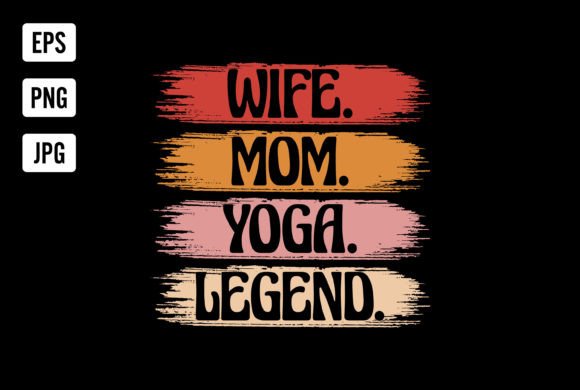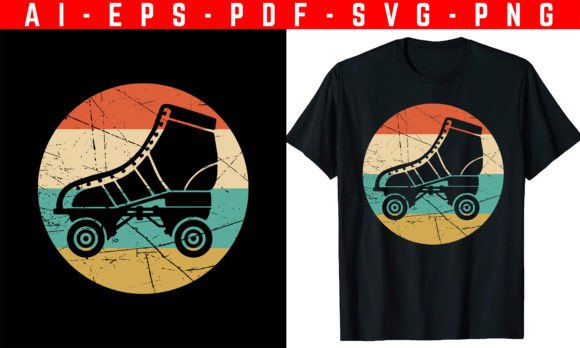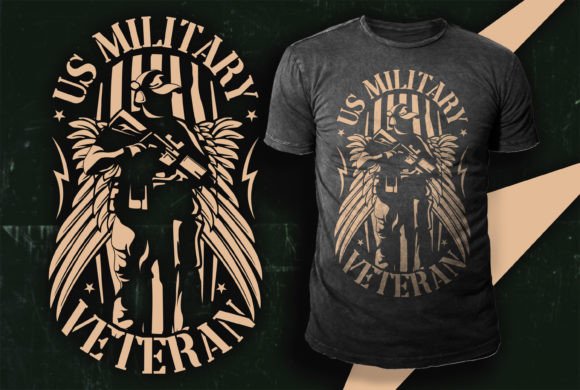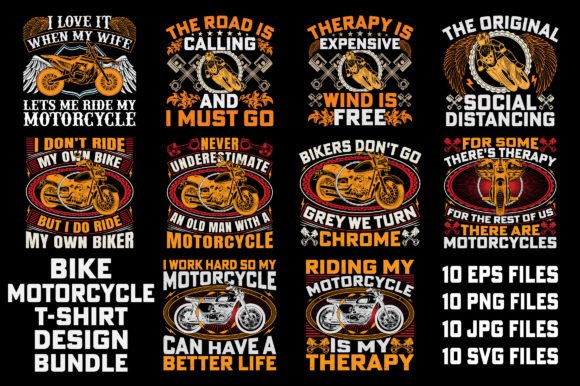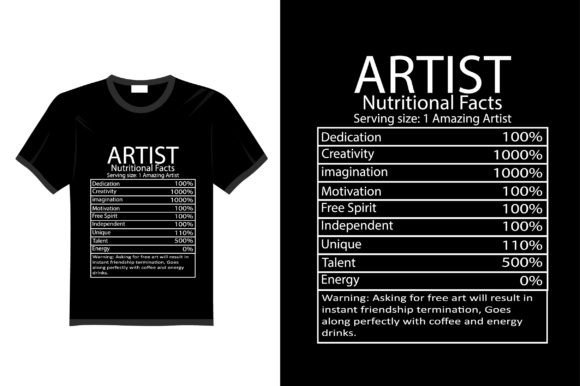
Artist T-shirt Design: A Versatile Asset for Creators
Finding the right visual element for a project can be a turning point. You need something that feels authentic, looks sharp, and works across different mediums without losing its impact. This is where a well-crafted Artist T-shirt Design comes into play. It’s not just a graphic; it’s a starting point for building a cohesive visual story for your brand, your merchandise, or your personal creative projects. Think of it as a foundational piece of your design toolkit.
More Than Just a Graphic: The Anatomy of a Useful Design
What sets a professional design asset apart from a quick stock image is its construction. This particular Artist T-shirt Design is built entirely with 100% vector shapes. In practical terms, this means you can scale it from the size of a postage stamp to the side of a building without a single pixel of blur or distortion. For a small business owner creating a logo or a crafter cutting vinyl decals, this scalability is non-negotiable. The design maintains its crisp, clean lines whether it's printed on a business card or a large-format poster.
Beyond scalability, the design offers complete color editability. This is crucial for brand consistency. If your brand palette uses a specific shade of blue or a muted earth tone, you can adjust every element of the design to match perfectly. This flexibility transforms a single asset into a chameleon that adapts to your existing visual identity. The included source files in Ai or Eps format give you full control, allowing for modifications in professional design software like Adobe Illustrator.
From Screen to Print: Real-World Applications
The true value of a design asset is measured by its utility. This Artist T-shirt Design excels because its applications are incredibly broad, catering to designers, entrepreneurs, and hobbyists alike. Its clean, graphic nature makes it suitable for a wide array of products and platforms.
For those in the print-on-demand (POD) business, this is a ready-to-use asset for your next bestseller. It can be applied directly to t-shirts, hoodies, sweaters, and jumpers. But its potential extends far beyond apparel. Consider using it for:
- Home Decor & Gifts: Print it on throw pillows, tote bags, or ceramic mugs for a personalized gift line.
- Paper Goods: Create eye-catching poster cards, invitation designs, or greeting cards for special occasions.
- Digital Branding: Use it as a central graphic for social media profiles, website hero images, or blog post headers to establish a consistent visual theme.
- Crafting & DIY: The vector format is perfect for cut machines like Cricut or Silhouette, allowing you to create vinyl decals, stickers, and iron-on transfers with precision.
Imagine a local coffee shop using this design for their branded merchandise, or a blogger using it as a signature element in their digital scrapbooking. The possibilities are limited only by your creativity.
Building a Cohesive Visual Identity
Consistency is the bedrock of brand recognition. When your audience sees a particular style, color, or graphic repeated across different touchpoints—your website, your packaging, your social media—they begin to associate it with your brand. Using a central design element like this Artist T-shirt Design across multiple assets helps build that instant recognition.
For a small business, this could mean using the main graphic on your product packaging, then isolating a smaller element from it for your social media profile picture. A content creator might use the full design on a poster in their video background, then use a cropped section as a watermark on their images. This strategic repetition creates a professional, polished look that tells your audience you pay attention to detail. It moves your project from feeling scattered to feeling curated.
Practical Tips for Integration
Before you dive in, a little planning goes a long way. First, consider the context of your project. Is the goal to be bold and attention-grabbing, or subtle and sophisticated? The design's style will influence this, but your color choices and placement are equally important. Test the design in its intended environment. View it on a mockup of a t-shirt or see how it looks at the resolution it will be displayed on your website.
Think about pairing. A strong graphic often works best with simple, clean typography. If you're creating a logo or a poster, pair this design with a straightforward sans-serif font for body text to ensure readability. The graphic itself should be the star. Also, always review the file package. Understanding what's included—the source file, the different formats—ensures you can use the asset to its full potential from day one.
Finally, for commercial projects, it's wise to understand the licensing. Assets like this are typically provided with a license that allows for commercial use on end products, which is essential for anyone selling merchandise or using the design in client work. This peace of mind lets you focus on creating and selling, not on legal concerns.
Having a versatile, high-quality design asset in your library is like having a reliable tool in your workshop. It saves time, ensures quality, and provides a consistent foundation for countless projects. Whether you're launching a product line, refreshing your brand, or simply creating something beautiful for yourself, a well-made Artist T-shirt Design is a practical and powerful starting point.