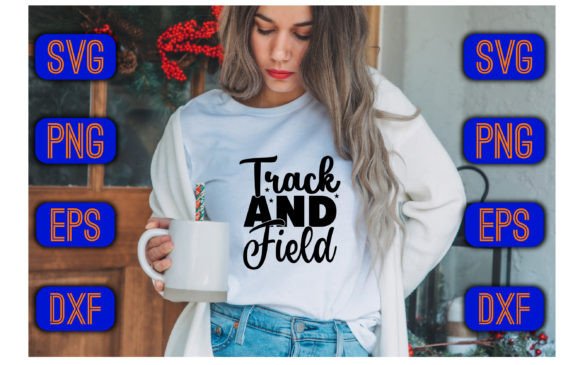
Capturing Athletic Spirit: The Power of Track and Field SVG Designs
There’s a distinct energy in the world of athletics—the tension of the starting block, the explosive power of a sprinter, the graceful arc of a high jump. This dynamic movement is incredibly challenging to capture in static design, yet it is exactly what successful sports branding requires. For designers and business owners looking to bottle that lightning, a well-crafted Track and Field SVG Design serves as an indispensable asset. Unlike standard raster images that pixelate when resized, these vector graphics maintain their crisp, clean lines whether you are printing a massive stadium banner or scaling down for a subtle social media icon. They provide the professional edge needed to convey motion, discipline, and victory in your visual communications.
Why Motion Matters in Modern Branding
In a crowded marketplace, static and generic imagery often fails to capture attention. Sports, fitness, and wellness brands rely heavily on the psychology of movement to convey progress and success. A high-quality Sports SVG graphic isn't just a clip art file; it is a versatile design tool that bridges the gap between digital creation and physical production. When you download a professional vector set, you aren't just buying a picture of a runner; you are acquiring a scalable asset that integrates seamlessly into complex design ecosystems.
The true utility of these files lies in their format variety. A comprehensive package typically includes SVG, DXF, EPS, and high-resolution PNG files. This versatility ensures compatibility across the industry's most popular hardware and software. Whether you are a Cricut enthusiast crafting vinyl decals for a local sports team or a graphic designer using Adobe Illustrator to build a corporate identity, the workflow remains smooth. The SVG and EPS formats allow for infinite scaling without loss of quality, while the 300 DPI PNGs with transparent backgrounds are perfect for quick mockups and layering in photo editing software.
Practical Applications: From the Track to the T-Shirt
The versatility of a Track and Field SVG Design makes it a "Swiss Army knife" for various creative projects. For small business owners running print-on-demand stores, these files are essential for creating merchandise that sells. Imagine designing a line of athletic wear; you can easily upload these vectors to create heat transfers for performance fabrics, ensuring the graphic stretches with the material without cracking.
Beyond apparel, the applications span a wide range of marketing materials and personal projects:
- Event Branding: Create cohesive visual identities for school sports days, charity runs, or local marathons. Use the vectors for posters, registration forms, and participant bibs.
- Merchandise & Accessories: The clean lines of these graphics look stunning on hard goods. Think custom tote bags for gym-goers, motivational water bottles, or ceramic mugs for coaches.
- Scrapbooking & Paper Crafting: For the hobbyist, these files are perfect for die-cutting machines. Create intricate paper cutouts for memory books celebrating a child’s first race or a student-athlete’s scholarship.
- Digital Assets: Bloggers and content creators can use these graphics to enhance website headers, create engaging Instagram Stories, or design eye-catching YouTube thumbnails that signal high-energy content.
Enhancing Visual Consistency and Readability
One of the most significant challenges in design is maintaining a consistent brand voice. When you use a Track and Field SVG Design across multiple platforms—from a Facebook ad to a physical banner at a finish line—you create a recognizable visual language. This consistency builds trust with your audience. They learn to associate that specific visual style with your brand’s energy.
However, the graphic is only half the battle. To truly professionalize your project, you must consider how the design interacts with typography. This is where understanding font pairing becomes critical. A bold, athletic graphic demands a typeface that matches its weight and energy.
Consider the following when pairing fonts with sports graphics:
- Sans Serif Fonts: These are the go-to for modern sports branding. They lack the small "feet" of serif fonts, giving them a clean, geometric look that suggests speed and efficiency. Fonts like Helvetica, Futura, or Bebas Neue work exceptionally well alongside track imagery.
- Slab Serif Fonts: If you want to convey strength and stability (think weightlifting or field events like shot put), a heavy slab serif can provide a grounded base for your design.
- Script and Handwritten Fonts: Use these sparingly for contrast. A flowing script font can add a touch of elegance or a personal, autograph-like feel to invitations or celebratory cards, softening the intensity of the athletic graphic.
Designing for Diverse Audiences
A common mistake in sports design is assuming one size fits all. The beauty of using high-quality vector assets is the ability to customize them for specific demographics without redrawing the art. You can easily recolor a Track and Field SVG to match team colors, pastel palettes for baby announcements, or vibrant neons for a youth club.
For instance, a design featuring a silhouette of a runner can be adapted in seconds:
- For Kids & Babies: Change the fill color to soft pinks or blues and pair it with a playful, rounded handwritten font to create nursery wall art or first-birthday invitations.
- For Professional Athletes: Use a stark black-and-white contrast and pair the graphic with a condensed, all-caps sans serif font to create a sleek, intimidating logo for a personal brand.
- For Community Events: Use bright, primary colors and a friendly display font to make flyers feel accessible and inclusive for families.
This adaptability ensures that your design assets remain relevant across different projects and client needs, maximizing the return on your investment in premium design resources.
Streamlining Your Creative Workflow
Time is money, especially for freelancers and entrepreneurs. The greatest advantage of using pre-made, high-quality SVG cutting files is the efficiency they bring to the production process. Instead of spending hours trying to trace a low-quality image from the internet to make it cut-ready, you receive a file that is already optimized for performance.
The inclusion of DXF files specifically caters to Silhouette users, while the EPS files ensure that print shops can handle your designs without compatibility issues. This "plug-and-play" nature allows you to focus on the creative aspects of your project—like composition and color theory—rather than getting bogged down in technical file conversion.
Ultimately, integrating a Track and Field SVG Design into your toolkit is about more than just acquiring a graphic; it is about equipping yourself with a flexible, professional-grade asset that elevates your work. Whether you are crafting a simple card for a friend or launching a full-scale apparel brand, these designs provide the foundation for visual storytelling that resonates with the passion of the sporting world.