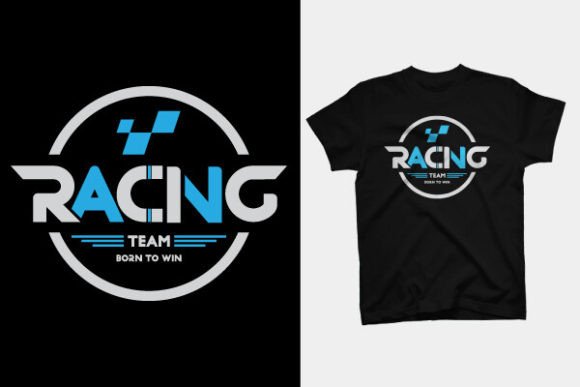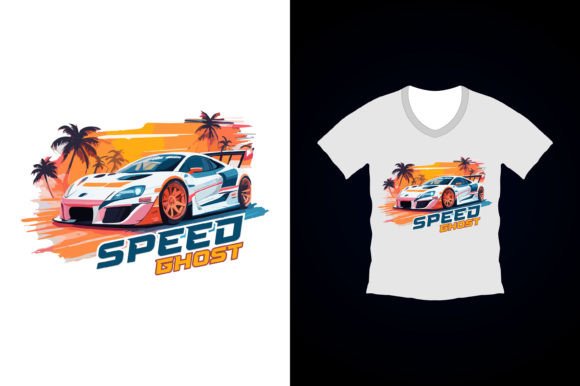
Racing Car T-shirt Design: Ignite Your Creative Engine
There's something universally thrilling about the world of motorsports—the roar of the engine, the blur of color around a track, the sheer velocity of precision engineering. This energy, this kinetic force, is exactly what a standout Racing Car T-shirt Design captures. It’s not just an image of a car; it's a wearable piece of that adrenaline, a graphic language that speaks of speed, competition, and technical mastery. For designers and entrepreneurs, tapping into this visual lexicon offers a powerful way to connect with a passionate audience, whether you're creating for motorsport fans, automotive brands, or simply anyone who appreciates bold, dynamic graphics.
More Than a Graphic: The Anatomy of Speed in Design
What makes a Racing Car T-shirt Design visually magnetic? It’s a deliberate composition of elements that work in concert to evoke motion. Think about the sharp, angular lines that slice through air, the dynamic typography that feels like it’s accelerating off the fabric, and the color palettes drawn from racing liveries—vibrant reds, electric blues, and stark blacks that command attention. This design style often leverages techniques like motion blur effects, perspective distortion, and strategic negative space to create a sense of forward thrust. The result is a piece of modern typography and graphic art that feels alive, making it a potent tool for anyone in the business of visual storytelling.
Fueling Real-World Projects and Brand Identities
The applications for a well-executed racing-inspired graphic extend far beyond a single garment. This design language is a versatile asset for building a cohesive and energetic brand identity. A small business specializing in automotive parts could use these elements for logo design, packaging, and social media graphics, instantly communicating their niche. For content creators and bloggers in the tech or automotive space, incorporating these motifs into website headers, blog graphics, or YouTube thumbnails can significantly boost audience engagement by visually aligning with the content's high-energy subject matter.
Consider the practical uses across different mediums:
- Branding & Logo Design: Create a memorable mark for a racing team, a car wash service, or a performance garage that needs to project speed and reliability.
- Merchandise & Print Materials: Beyond t-shirts, apply the design to posters, stickers, hats, and invitations for car shows or track days. The included high-resolution PNG and vector files (AI, EPS, SVG, DXF) ensure crisp results on any scale.
- Digital Marketing Assets: Design compelling social media graphics, email newsletter headers, and digital ads that cut through the noise. The inherent visual impact of the racing theme helps improve click-through rates and brand recognition.
- Editorial & Web Design: Use the graphics as striking hero images for magazine layouts, blog features about automotive culture, or as bold visual elements on a website's landing page to guide the viewer's eye.
Practical Pitstops: Choosing and Testing Your Design Elements
Integrating a powerful graphic like this requires some strategic thinking to ensure it works for your specific project goals. The key is matching the typography and imagery to the intended audience and application. A design meant for a professional motorsport team will have a different feel than one for a vintage car enthusiast club.
Start by reviewing the included file formats. The vector files (AI, EPS, SVG) are your workhorses for scaling without quality loss—essential for anything from a business card to a billboard. The high-DPI PNG is perfect for direct use in digital projects or for print-on-demand services. Always test your design's readability. A complex, speed-blurred graphic might look stunning on a poster but could become muddy when shrunk for a favicon or social media icon. Consider creating simplified versions for smaller applications.
Font pairing is another critical consideration. If the design includes custom typography, ensure it complements rather than competes with other text in your project. A bold, italicized sans serif font often works well for headlines, supporting the racing theme, while a clean, highly readable serif or sans serif font is better for body copy. The goal is visual consistency, where every element feels like part of the same high-octane family.
From Track to Toolbox: Leveraging Premium Design Assets
Investing in a comprehensive design bundle, like the one offered here, provides a significant advantage. You're not just getting a single image; you're acquiring a versatile toolkit. Having multiple file formats means you're prepared for any client request or project requirement, from screen printing to laser cutting for decals. This kind of preparedness elevates your professional presentation and streamlines your workflow, allowing you to focus on the creative application rather than technical file conversions.
For the creative entrepreneur or small business owner, these assets are a direct line to a specific market. The racing car aesthetic isn't niche; it's a segment of a massive global community of fans, hobbyists, and professionals. By using this design language authentically, you can create products and marketing materials that resonate deeply with this audience, fostering loyalty and driving engagement. It’s about speaking their visual dialect fluently.
Remember, the most effective designs are those used with intention. Whether you're crafting a single standout t-shirt or building an entire brand around automotive culture, let the core energy of speed, precision, and competition guide your creative decisions. Test your designs in context—mock them up on a product, place them on a webpage, see how they feel in motion on a social feed. This hands-on approach ensures your final product isn't just visually appealing, but functionally powerful in achieving its goal, whether that's selling a product, telling a story, or building a community around a shared passion.