Streetwear Element Graphic Design: Capturing Urban Culture
There is an undeniable energy to streetwear that goes beyond the fabric of a hoodie or the sole of a sneaker. It is a visual language, a rebellion, and a lifestyle statement that speaks volumes without saying a word. For designers, entrepreneurs, and creatives, tapping into this aesthetic is about more than just following a trend; it is about capturing a raw, authentic urban vibe that resonates with a modern audience. Whether you are launching a clothing line, designing album art, or building a brand identity that needs an edge, the visual assets you choose define your message. This is where the power of high-quality graphic elements comes into play, specifically those that embody the grit and gloss of city life.
The Anatomy of Modern Urban Aesthetics
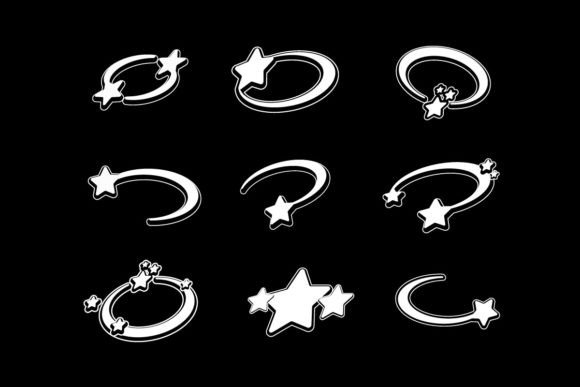
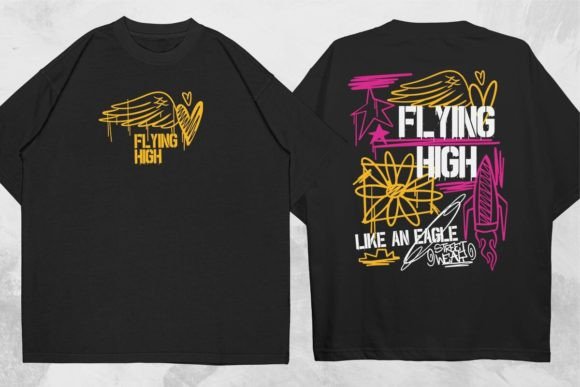
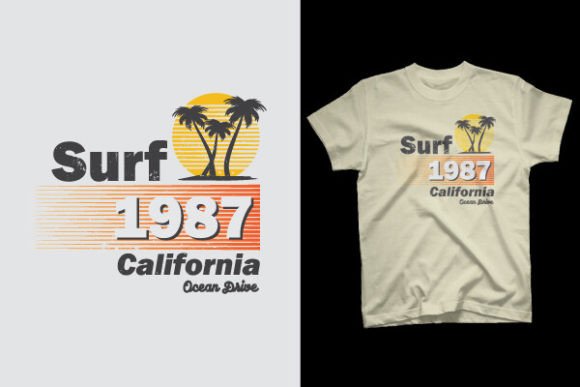
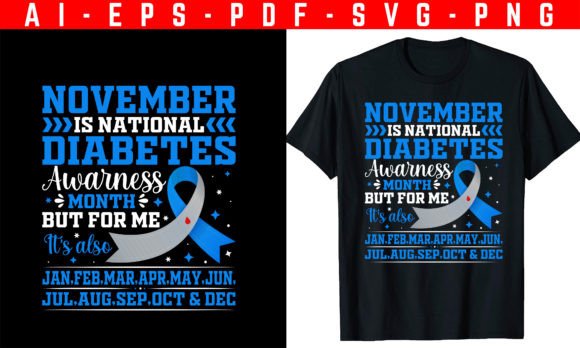
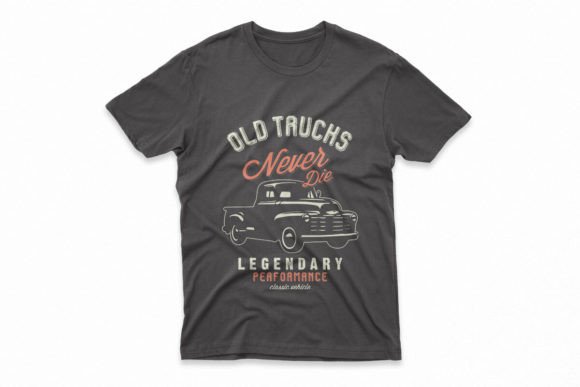
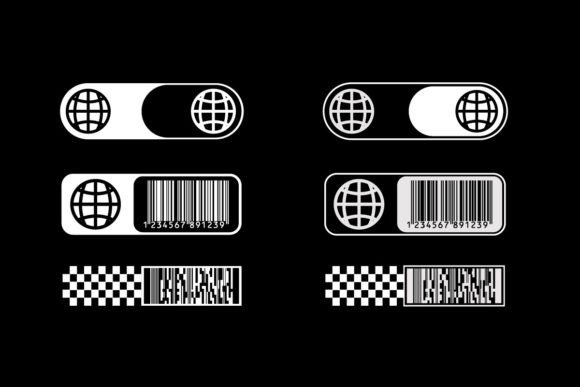
When we talk about streetwear design, we are looking at a specific blend of influences—skate culture, hip-hop, graffiti, and high fashion. A well-curated collection of Streetwear Element Graphic Design is not just a random assortment of shapes; it is a toolkit built for visual storytelling. What makes these designs visually appealing is their versatility and their ability to communicate attitude instantly. You will often find bold typography, intricate line work, distressed textures, and symbolic imagery that ranges from aggressive skulls to serene zen graphics.
The beauty of working with premium vector-based design assets is the freedom they offer. Imagine you have a concept for a t-shirt that mixes Japanese kanji with Western graffiti tags. With high-quality vector sources, such as EPS files, you are not locked into a static image. You can deconstruct the artwork, isolate a single character, scale it up to cover the back of a jacket, or shrink it down for a subtle chest print. This level of control is essential for anyone serious about merchandise design. It ensures that whether you are printing on cotton, polyester, or screen-printing onto a skateboard deck, the lines remain crisp and the colors remain true.
From Screen to Street: Practical Applications
The utility of a robust graphic design collection extends far beyond the clothing rack. For the modern creative entrepreneur, these assets serve as the foundation for a cohesive brand identity. Consider the digital space first. Your website and social media presence are your storefronts. Using these urban elements as backgrounds, overlays, or standalone graphics can instantly elevate your Instagram feed or website header, creating a professional presentation that builds trust with your audience. It stops the scroll. When a potential customer sees a cohesive aesthetic that feels polished yet gritty, they associate that quality with your brand.
However, the application does not stop at digital screens. Print materials remain a vital touchpoint for many brands. Think about packaging design for a new streetwear drop. A generic poly mailer is forgettable. A mailer printed with repeating patterns derived from your graphic assets transforms the unboxing experience into a marketing moment. Similarly, these designs are perfect for posters, event flyers, and even editorial layouts if you are publishing a zine or a lookbook. The ability to recolor elements without losing quality means you can adapt a single graphic to fit different seasonal colorways or specific campaign themes, ensuring visual consistency across all your marketing assets.
Mastering Customization and Workflow
One of the biggest hurdles in design is finding assets that are actually usable. We have all downloaded a "high-resolution" image only to find it pixelates the moment we try to print it on a large format. This is why the technical specifications of your design files matter immensely. Access to 100% vector source files changes the game. Unlike raster images (like JPGs or PNGs), which are made of pixels, vectors are mathematical paths. This means you can transform, scale up, scale down, add, or remove elements without ever losing a shred of quality.
For the busy small business owner or the freelance designer juggling multiple clients, this efficiency is priceless. You do not need to be a master illustrator to create professional merchandise. You simply need to open the file in vector graphics software—such as Adobe Illustrator, Affinity Designer, or even free alternatives like Inkscape—and start customizing. You might take a complex chest piece design and strip it down to a single icon for a hat logo. You might take a distressed texture and apply it to a different font you are using. This adaptability allows you to create custom printed clothing that looks unique, rather than buying a generic design that five hundred other people are using.
Choosing the Right Elements for Your Brand Voice
Not all streetwear is created equal, and neither are the design elements that define it. When selecting graphics for your project, you have to look at the "personality" of the art. Does the collection lean towards the cyberpunk, futuristic vibe with neon glows and circuit patterns? Or does it embrace a vintage, 90s hip-hop aesthetic with bold block letters and retro cartoons? Matching the visual style to your specific project goals is crucial for brand recognition.
If you are a content creator looking for assets to spice up your YouTube thumbnails or merchandise store, you want elements that are immediately recognizable and readable. A highly intricate, filigree-style graphic might look beautiful on a poster, but it might turn into a muddy mess when printed small on a sticker. Always test your font pairings and graphic placements. If you are using these streetwear elements alongside typography, ensure the weights balance out. A heavy, bold graphic often pairs well with a clean sans-serif font for body text, ensuring your message isn't lost in the visual noise.
Building a Lasting Visual Impact
Ultimately, the goal of incorporating Streetwear Element Graphic Design into your work is to forge a connection with your audience. It is about signaling that you understand the culture, that you value quality, and that you pay attention to the details. Whether you are a hobbyist making custom gifts for friends or a serious entrepreneur launching a global brand, the tools you use dictate the ceiling of your creativity.
By utilizing high-quality, editable vector collections, you empower yourself to produce professional-grade work. You bridge the gap between a rough idea and a polished product. You move from generic templates to bespoke creations that stand out in a crowded marketplace. So, look at your current toolkit. Are your assets scalable? Are they editable? Do they truly represent the vibe you are trying to sell? If not, it might be time to upgrade your library and start building designs that hit as hard as the culture that inspires them.